


Territory
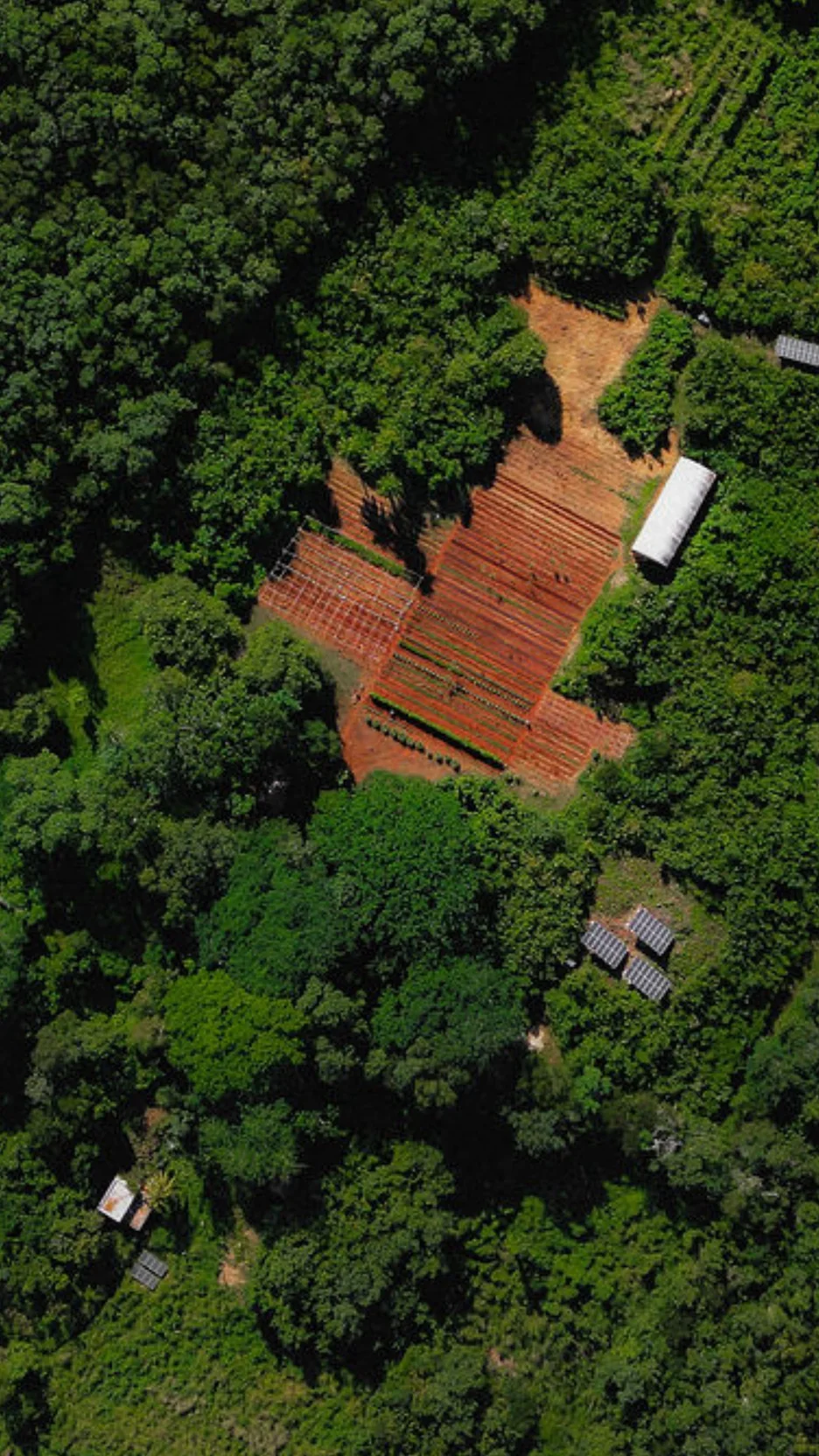
220 hectares in San Pedro Chenchelá, shaped by forest, water and living soil.

 Cultivating what the land already knows
Mestiza de Indias cultivates food biodiversity, restores soil and connects Maya knowledge, regenerative agriculture, research and hospitality in San Pedro Chenchelá, Espita.
Purpose and essence
Mestiza de Indias restores soil, seeds and agricultural knowledge to build a closer relationship between the land, Maya communities and the hospitality industry of the region.
220 hectares in San Pedro Chenchelá, shaped by forest, water and living soil.

Local varieties, rare species and resilient agricultural systems.

Dignified work, Maya knowledge and long-term relationships.

Crops planned with chefs and kitchens across the peninsula.

A biocultural laboratory built to conserve and share knowledge.
Territory and origin
Tourism opened access to high-value markets, while migration, the abandonment of home gardens and the loss of seeds weakened local food systems. Mestiza works to return part of that value to the land.
How the model works
Conservation, production, community, research and gastronomy form one chain. Each stage supports the next.
Seeds, tropical species, recipes and knowledge that are at risk of disappearing.

Rotation, composting and agrochemical-free farming that rebuild fertility and resilience.
Seasons and supply planned with chefs, hotels and restaurants across the peninsula.
Economic activity that supports jobs, farming families, conservation and new possibilities.

2025 impact
Mestiza publishes an annual report to translate environmental, social and economic work into evidence that can be reviewed over time.
View the report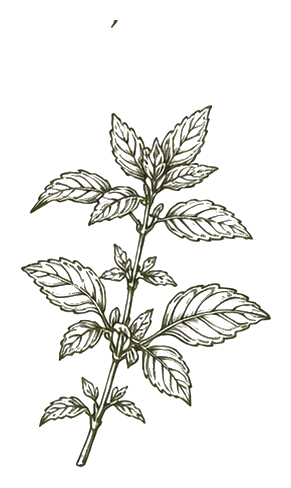 115
115Varieties recovered and cultivated since the project began.
 15
15Rare species preserved within the agricultural landscape.
70%Of the team are women from Maya communities.
 8
8Farming families connected to formal value chains.
1.39 tOf CO₂ avoided per trip compared with previous supply routes.
 180
180People joined agro-gastronomic experiences during 2025.
Biocultural reserveNo synthetic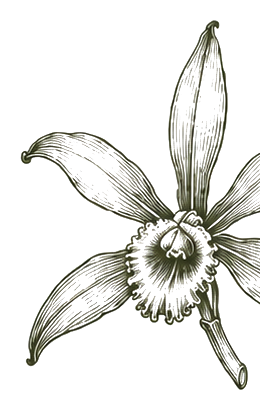 Since
SinceIndicators reported in the 2025 Sustainability Report. Transport figures reflect the route comparison described in that report.
Read the 2025 reportA living archive
Agricultural diversity is also a library. Each variety carries an adaptation, a family memory and a possibility for contemporary cooking.

Colours, shapes and flavours that standardised supply chains often discard.

Each crop preserves an adaptation and opens a new possibility for contemporary cooking.
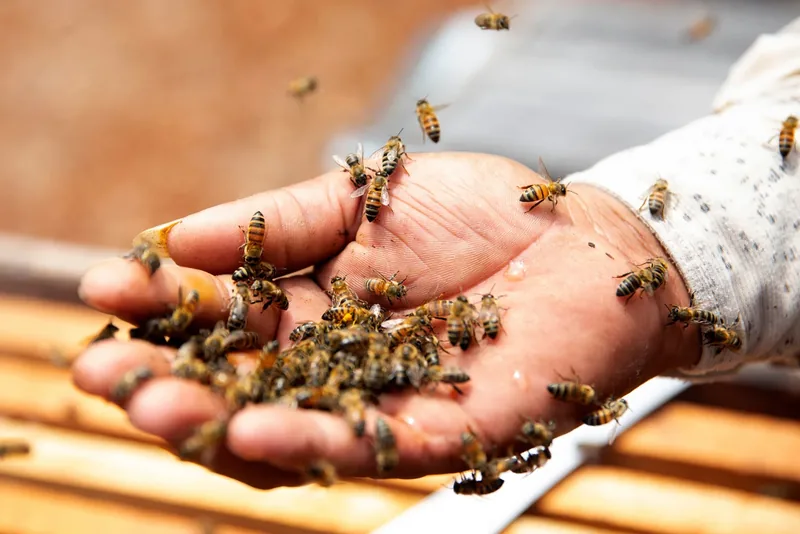
Pollination, honey and living knowledge around native bees.
Recovered varieties
The archive records names, seasons, uses and ecological relationships. It currently shows only the entries supported by available project materials, and will grow as the full cultivation record is verified.
Flowers & aromatics
Vanilla planifolia
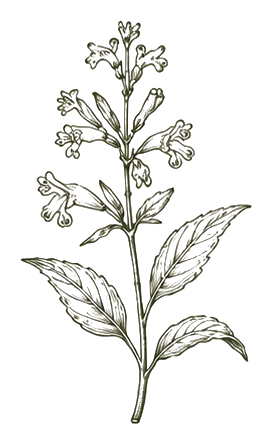
A focal research line for Na’at Lab and a symbol of Yucatán’s food biodiversity.
Source: Mestiza de Indias 2025 Sustainability Report and public project materials
Flowers & aromatics
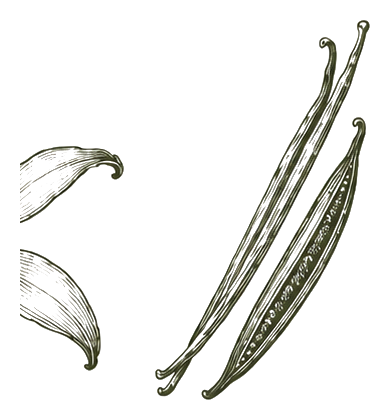
Vanilla planifolia
The pod connects cultivation, pollination, curing and culinary use.
Source: Mestiza de Indias 2025 Sustainability Report and public project materials
Grains & seeds
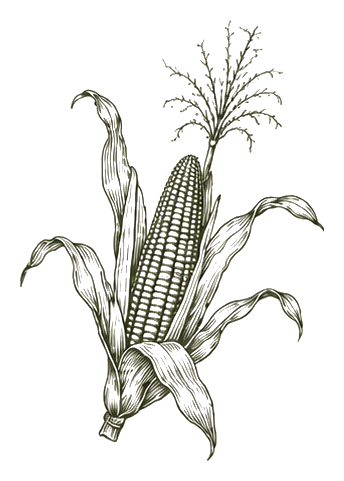
Zea mays
A foundational crop in the milpa and in recipes such as Kots’ob.
Source: Mestiza de Indias 2025 Sustainability Report and public project materials
Roots & tubers
Ipomoea batatas
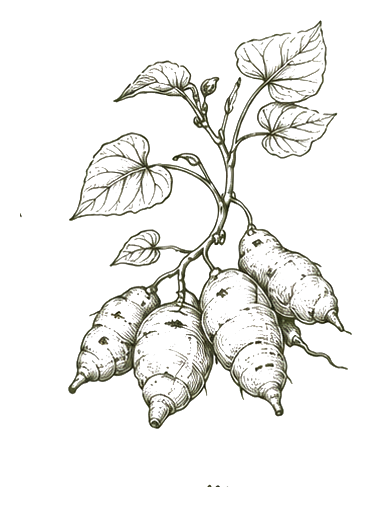
The 2025 report documents five sweet potato varieties cultivated by Aurelio Batun Nahuat.
Source: Mestiza de Indias 2025 Sustainability Report and public project materials
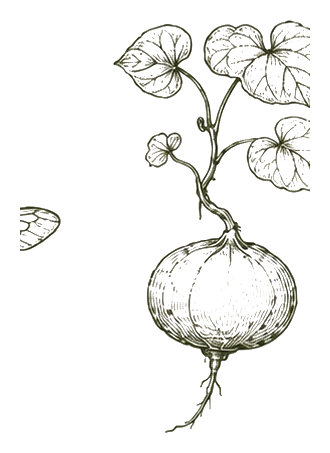
Roots & tubers
Pachyrhizus erosus
A root crop adapted to seasonal cultivation in the peninsula.
Source: Mestiza de Indias 2025 Sustainability Report and public project materials
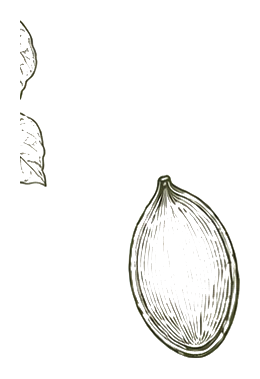
Grains & seeds
Cucurbita spp.
Pumpkin seed is one of the ingredients in Kots’ob, a Maya preparation shared during visits.
Source: Mestiza de Indias 2025 Sustainability Report and public project materials
Herbs & leaves
Piper auritum
Aromatic leaf used in regional cooking and in the preparation of Kots’ob.
Source: Mestiza de Indias 2025 Sustainability Report and public project materials
Flowers & aromatics
Multiple species
Flowers create flavour, colour and habitat within a diversified agricultural landscape.
Source: Mestiza de Indias 2025 Sustainability Report and public project materials
Fruits & vegetables
Solanum lycopersicum
Local forms retain shapes and flavours that standardised supply chains often exclude.
Source: Mestiza de Indias 2025 Sustainability Report and public project materials
Fruits & vegetables
Capsicum spp.
Chile forms part of regional food culture and traditional preparations.
Source: Mestiza de Indias 2025 Sustainability Report and public project materials
Fruit trees
Multiple species
Mestiza prioritises tropical species whose biological and cultural value is at risk of being overlooked.
Source: Mestiza de Indias 2025 Sustainability Report and public project materials

Flowers & aromatics
Multiple flowering species
Flowering diversity supports native bees, pollination and meliponiculture knowledge.
Source: Mestiza de Indias 2025 Sustainability Report and public project materials
No records match this search.

Knowledge and community
Mestiza works with women, young people and farming families so that knowledge about seeds, crops and recipes can continue to be practised, passed on and turned into income.
“My daughter dreams of becoming a lawyer, and the salary I receive makes it possible.”
Testimony recorded in the 2025 Sustainability Report
Hospitality and gastronomy
The relationship begins before harvest. Seasons are planned, varieties are tested and experiences are built to explain the land through a plate.
Fruit, vegetables, flowers, honey and varieties adapted to Yucatán’s climate.
Planting decisions based on season, menu, volume and what the land can genuinely sustain.
Underused ingredients, cultivation trials and new gastronomic applications.
Field visits, meals and learning sessions shaped by each season.
Origin, varieties, distance, producers and outcomes linked to the collaboration.


Selected clients and collaborators, past and present
 Hospitality
 Hospitality
 Hospitality
 Hospitality
 Culinary research
 Conservation
Na’at Lab Salud Planetaria A.C.
Na’at Lab is the scientific and institutional dimension of the project. It researches, conserves and shares food biodiversity and regenerative systems across the Yucatán Peninsula.
Maya vanillaMelipona beesGenetic diversitySoil healthRare species Education and publishing
Visit the land
The experience follows food from seed and soil to the preparation of a meal. It changes with the season, the rain and what is ready to harvest.
Press
2025 Sustainability Report
The report records environmental, social and economic progress and gathers the data needed by journalists, partners, funders and hospitality teams.

Connect with Mestiza
Choose the relationship that best fits your enquiry. The form will organise the message so it can reach the right conversation.

San Pedro Chenchelá · Municipality of Espita